November 5, 2026
Slow drains, unpleasant odors, recurring clogs, and standing water can interrupt everyday routines and signal a problem within a property's plumbing system. Although minor blockages may respond to maintenance, persistent issues often require professional attention. Understanding what happens during a drain cleaning service can help homeowners prepare for the visit, ask informed questions, and make decisions about their plumbing.
Professional cleaning involves more than dislodging a clog. A technician must consider the location of the obstruction, the condition of the pipes, and the tools most appropriate for the situation. The process varies for a bathroom sink, kitchen drain, toilet, or main sewer line. Knowing the typical steps can make the appointment more predictable and help homeowners understand the value of a thorough evaluation.
Recognizing the Signs of a Drainage Problem
First, identify why professional help may be necessary. Water that drains slowly from a sink or shower can indicate a buildup of soap residue, hair, grease, or other material inside pipes. Gurgling sounds, unpleasant smells, and water backing up into nearby fixtures may suggest that the blockage is becoming more serious.
When several fixtures experience problems simultaneously, the issue could involve a shared drain or main sewer line rather than one fixture. A professional drain cleaning service can help determine whether these symptoms are connected. Homeowners should explain when the problem began, how often it occurs, and whether earlier clearing attempts worked.
Some warning signs demand prompt attention. Wastewater returning through a floor drain, for example, can create unsanitary conditions and damage surrounding materials. Avoid using affected fixtures until the situation is assessed. Providing a clear description of the symptoms helps the technician focus the initial inspection and identify areas that require closer attention.
Preparing the Work Area Before the Appointment
Before the technician arrives, homeowners can take a few simple steps to make the work area accessible. Remove stored supplies from beneath affected sinks, clear obstacles around floor drains, and create a path to any basement plumbing or exterior sewer cleanout. These preparations simplify access to plumbing components.
It is also helpful to stop using chemical drain cleaners before a scheduled drain cleaning service. Chemical products may remain in the plumbing and expose anyone opening the drain to hazardous splashes. Tell the technician about any products already used, including the approximate time of application. This information may influence the approach.
Homeowners should also secure pets, protect nearby belongings from accidental contact, and make note of fixtures that are draining normally. If the blockage affects multiple bathrooms or appliances, identify each affected location. The technician may inspect several areas to determine the scope of the problem.
Inspecting the Plumbing and Locating the Blockage
The visit generally begins with questions and an examination of affected fixtures. The technician may run a small amount of water, listen for unusual sounds, and observe how quickly the drain empties. They may inspect visible pipes, traps, and cleanouts for leaks or restrictions.
The findings guide the next steps in the drain cleaning service. A blockage close to a sink may require a different approach from an obstruction farther down a branch line. If symptoms indicate a recurring or hard-to-locate issue, the technician may recommend a sewer camera inspection when feasible. Video equipment can reveal certain obstructions, pipe damage, and areas where debris collects.
An inspection may not produce an immediate diagnosis. Hidden piping, standing water, or limited access can complicate the evaluation. A technician should explain any uncertainty and discuss whether additional testing is appropriate. This helps homeowners understand why one cleaning method may be recommended over another and when repairs, rather than cleaning alone, might be needed.
Choosing the Right Drain Cleaning Equipment
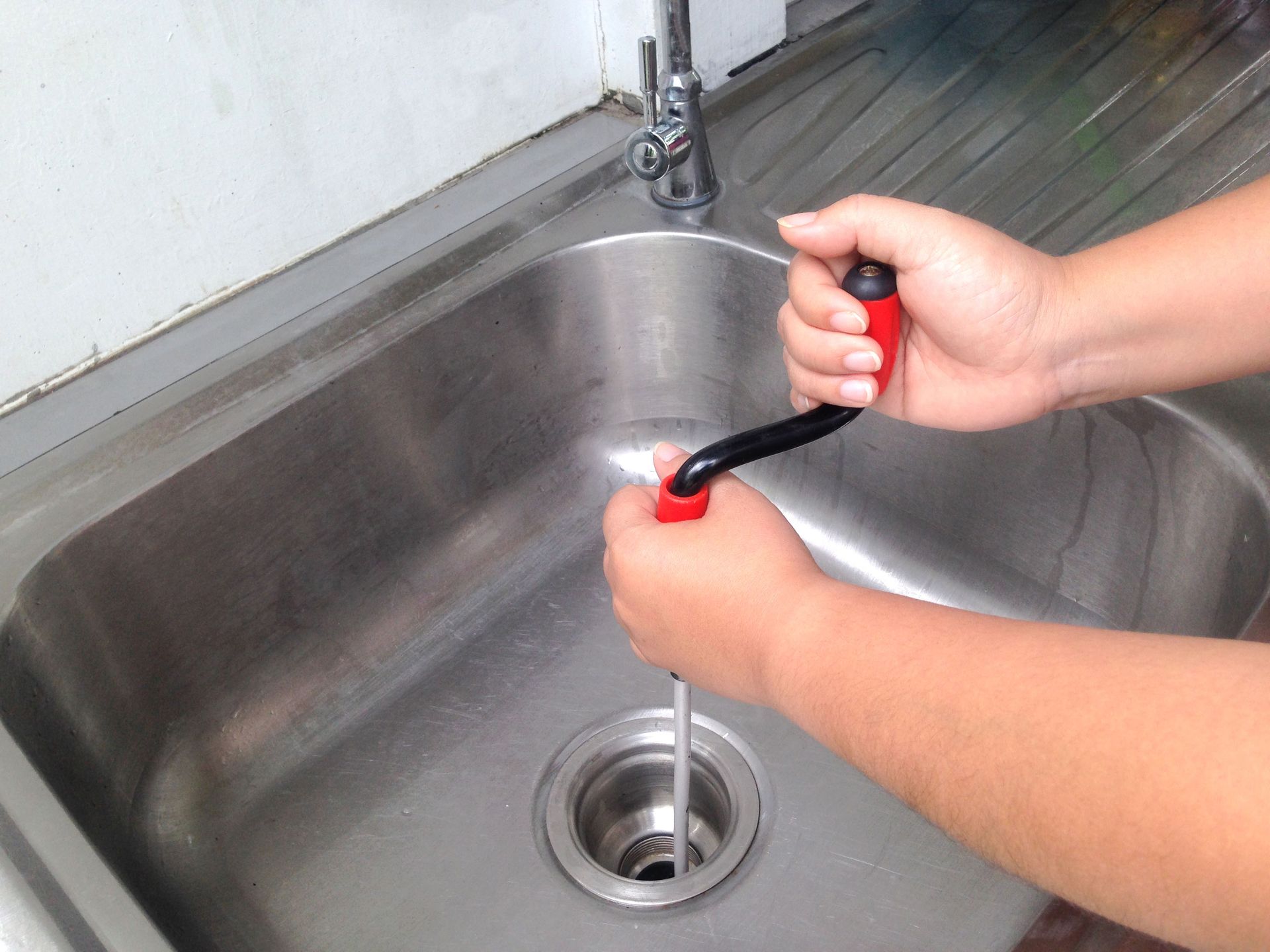
Once the obstruction is assessed, the technician selects suitable equipment. A small hand-operated auger may loosen a nearby clog, while a powered drain machine can reach farther into a line and break through certain deposits or obstructions.
According to Today's Homeowner, basic handheld drain snakes can clear most clogs located about 20 feet or less into a pipe. However, the appropriate tool depends on more than distance. Pipe diameter, material, condition, and the type of blockage all affect the safest and most effective approach. During a drain cleaning service, technicians may need to adjust their method after seeing how the line responds.
For substantial grease deposits or buildup along pipe walls, hydro jetting may be considered. This process uses pressurized water to dislodge material and flush it through the line. It is not appropriate for every plumbing system, particularly when pipes are fragile or damaged. Equipment selection should reflect pipe conditions, not a one-size-fits-all solution.
Clearing the Obstruction and Managing the Work Area
The technician accesses the drain or cleanout and feeds equipment into the pipe. The tool may cut through debris, break apart a blockage, or remove material restricting water flow. Some clogs require more than one pass.
A professional drain cleaning service may involve temporary splashing, odors, or the removal of dirty water and debris. Technicians commonly use protective equipment and take precautions around surrounding surfaces, although the exact setup varies with access and working conditions. Homeowners can ask what needs to be moved or protected before the procedure begins.
The time required depends on the depth and severity of the obstruction, the plumbing layout, and whether additional concerns arise. If equipment encounters resistance that suggests roots, a collapsed section, or another structural problem, cleaning may not resolve the underlying cause. The technician should explain any limitations before moving on to additional work or recommending repairs.
Testing the Drain and Reviewing the Findings
After clearing the blockage, the technician tests whether fixtures drain freely. This may involve running a faucet, flushing a toilet, or observing drainage from several connected fixtures. Testing helps verify that drainage has improved and symptoms have subsided.
Before the drain cleaning service is complete, homeowners should ask what the technician found and whether anything suggests a recurring problem. For example, repeated backups may warrant further evaluation of pipe alignment, root intrusion, or damaged sections. A drain that flows properly after cleaning is encouraging, but it does not guarantee that the entire plumbing system is free of defects.
The technician may explain the work, recommend follow-up, and review charges. Request clarification about services that were necessary versus optional. Keeping records of the problem, the cleaning method, and any findings can be useful if similar symptoms return.
Maintaining Clear Drains After Professional Cleaning
Good habits can reduce debris entering drains. Use drain screens to catch hair and food scraps, dispose of cooking grease in the trash instead of the sink, and avoid flushing wipes or other items not intended for toilets. These steps limit buildup without harsh chemicals.
After a drain cleaning service, pay attention to how quickly fixtures empty and whether odors or gurgling sounds reappear. Changes that return soon after cleaning may indicate a deeper issue that needs additional investigation. Homeowners should follow any specific maintenance guidance provided for their plumbing system rather than assuming that every drain needs the same treatment.
Professional cleaning can restore drainage and provide useful information about the condition of accessible pipes. By preparing for the appointment, asking questions, and following practical maintenance habits, homeowners can make the most of the service and respond quickly if problems return. Call RooterMan today to schedule your plumbing service.