November 2, 2026
A slow sink or a shower that leaves standing water can turn an ordinary household routine into a frustrating problem. Although some clogs appear suddenly, many develop gradually as grease, hair, soap residue, and other debris collect inside plumbing pipes. Paying attention to how water drains is often more useful than waiting for a complete blockage.
The right drain cleaning schedule depends on the age of the plumbing, how frequently fixtures are used, and whether problems have occurred before. With a few consistent habits and a practical approach to maintenance, homeowners can reduce preventable backups and recognize when professional attention is needed.
Understanding How Household Drains Work
Every time someone washes dishes, showers, or uses a washing machine, wastewater travels through a network of fixture drains, traps, and connecting pipes. The system carries that water toward a public sewer or a private septic system. Traps hold a small amount of water to help keep sewer gases from entering living spaces, while vent pipes support proper drainage by allowing air into the system.
According to the United States Environmental Protection Agency, on average, Americans use 88 gallons of water a day at home. That daily use shows why dependable plumbing matters. A drain that carries wastewater away slowly can disrupt multiple activities, especially when several fixtures share a branch line.
Recognizing Early Signs of Clogs
Slow drainage is one of the clearest warnings that material may be collecting inside a pipe. Water that pools around a shower drain, a sink that empties more slowly than usual, or a toilet that frequently requires plunging deserves attention. Unpleasant odors may come from trapped food or other organic debris, although a dry trap can also cause sewer smells.
Listen for repeated gurgling, too. The sound may indicate a restriction or a venting issue rather than an ordinary surface clog. If several fixtures back up at once, the problem may be farther down the shared drain or sewer line. Prompt drain cleaning can address certain blockages, but identifying the source is important before choosing a method.
Assessing Household Habits and Pipe Conditions
There is no universal interval that suits every home. A busy kitchen where people cook frequently may accumulate grease and food residue faster than one used primarily for light meals. Bathrooms used by several household members may need more attention because hair, soap, and personal care products can collect around drain openings.
Pipe condition also matters. Older cast-iron lines can develop rough interior surfaces that catch debris, while damaged connections or root intrusion may contribute to recurring blockages in buried lines. The presence of hard water can cause mineral deposits on fixtures, but it should not automatically be blamed for a slow wastewater drain. Patterns of use and the actual condition of the pipes are better guides than assumptions.
Establishing a Practical Cleaning Schedule
Start with frequent visual checks rather than automatically scheduling an intensive treatment for every drain. Watch how quickly water leaves sinks and tubs, remove debris from accessible strainers, and note any recurring odors or unusual noises. For households with a history of buildup, a plumber may recommend periodic inspections or preventive service based on past findings.
An annual review can be a useful planning point, but not every home requires professional drain cleaning once a year. Drains that operate normally may only need routine care, while a line affected by repeated grease deposits or tree roots could need a more specific plan.
Preventing Buildup in Kitchen Drains
Kitchen sinks receive a mixture of food scraps, cooking oils, detergents, and water. Even with a garbage disposal, fibrous materials and food waste can contribute to clogs. Grease is especially troublesome because it cools and adheres to pipe walls, collecting more debris over time. Running hot water afterward does not guarantee that grease will pass safely through the plumbing.
Wipe greasy pans before washing them, collect used cooking oil for proper disposal, and scrape food into the trash or compost when appropriate. A sink strainer can catch larger particles before they reach the drain. These simple habits reduce the need for repeated drain cleaning and help protect the pipes shared by dishwashers and kitchen fixtures.
Protecting Bathroom and Laundry Drains
Bathroom clogs commonly begin near the fixture opening, where hair combines with soap residue and other products. A removable hair catcher is one of the easiest ways to limit buildup in showers and tubs. Clean it regularly, and remove visible debris from sink stoppers before water starts draining slowly. Avoid flushing wipes, cotton swabs, and hygiene products, even when packaging suggests they can be flushed.
Laundry areas have different risks. Lint and other fibers can accumulate where washing machines discharge wastewater, particularly if the drain already has a restriction. Follow the appliance manufacturer's guidance, avoid overloading the machine, and investigate water that rises in a nearby utility sink during a wash cycle. Recurring overflow warrants inspection, not another temporary workaround.
Handling Minor Blockages Safely
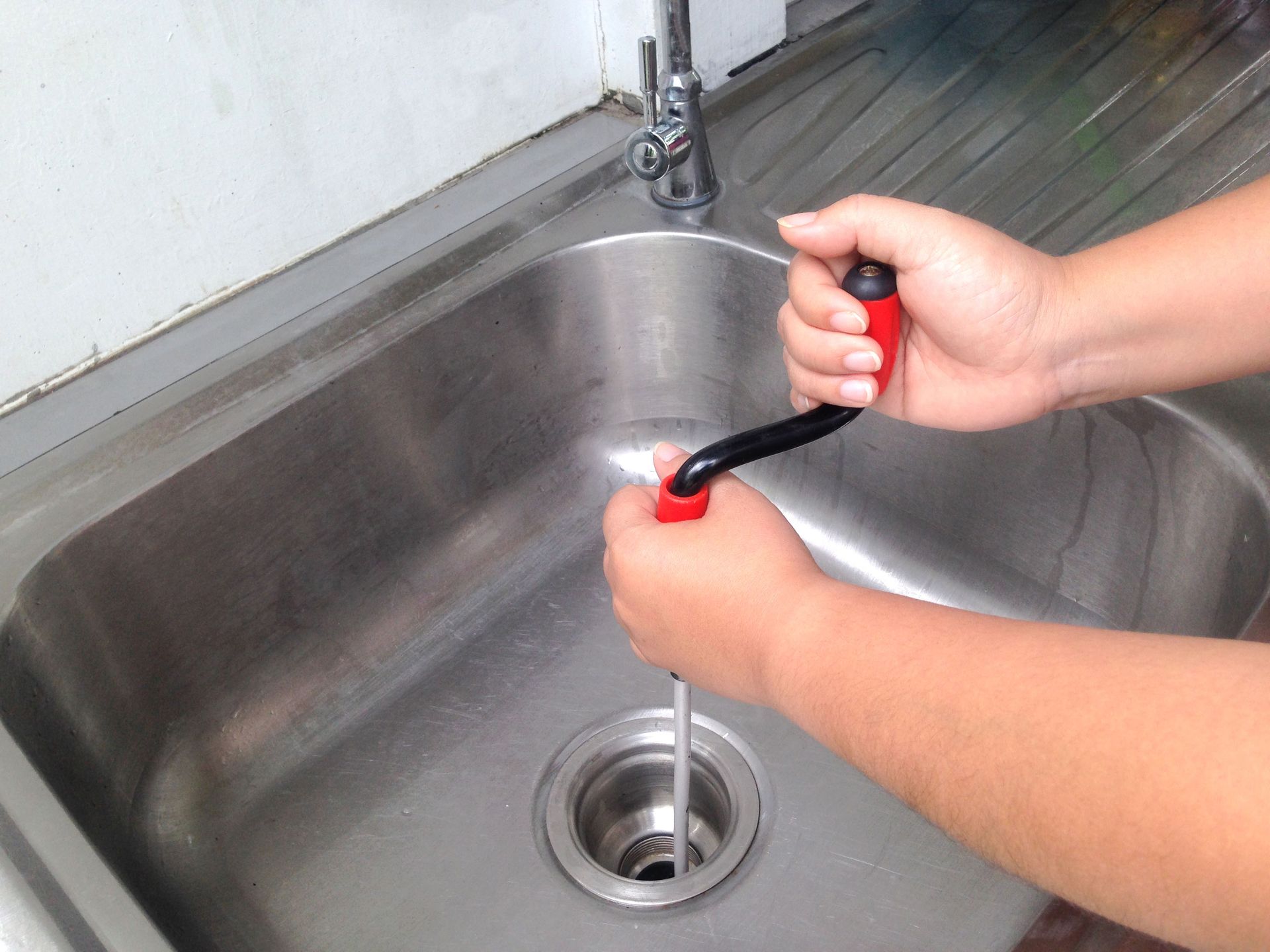
A straightforward clog near a sink or tub opening may respond to a plunger, a removable drain tool, or careful cleaning of an accessible stopper. Use tools intended for the fixture and follow their instructions. A drain snake can sometimes reach deeper obstructions, but forcing it through an unfamiliar or damaged line may make matters worse.
Be cautious with chemical cleaners. Some can burn skin, produce dangerous fumes, or damage certain plumbing components if used incorrectly. Never mix drain-cleaning chemicals, and tell a plumber about any product already poured into a blocked fixture. Baking soda and vinegar may create a visible reaction, but they are not a dependable remedy for substantial clogs. If water continues backing up, stop experimenting and seek an assessment.
Knowing When to Call a Professional
Some symptoms suggest that the problem extends beyond an easily reached fixture trap. These include sewage returning through a floor drain, multiple fixtures draining poorly at the same time, recurring toilet backups, or strong sewer odors that do not resolve after checking for dry traps. Wastewater backups require prompt attention because contaminated water can pose health risks.
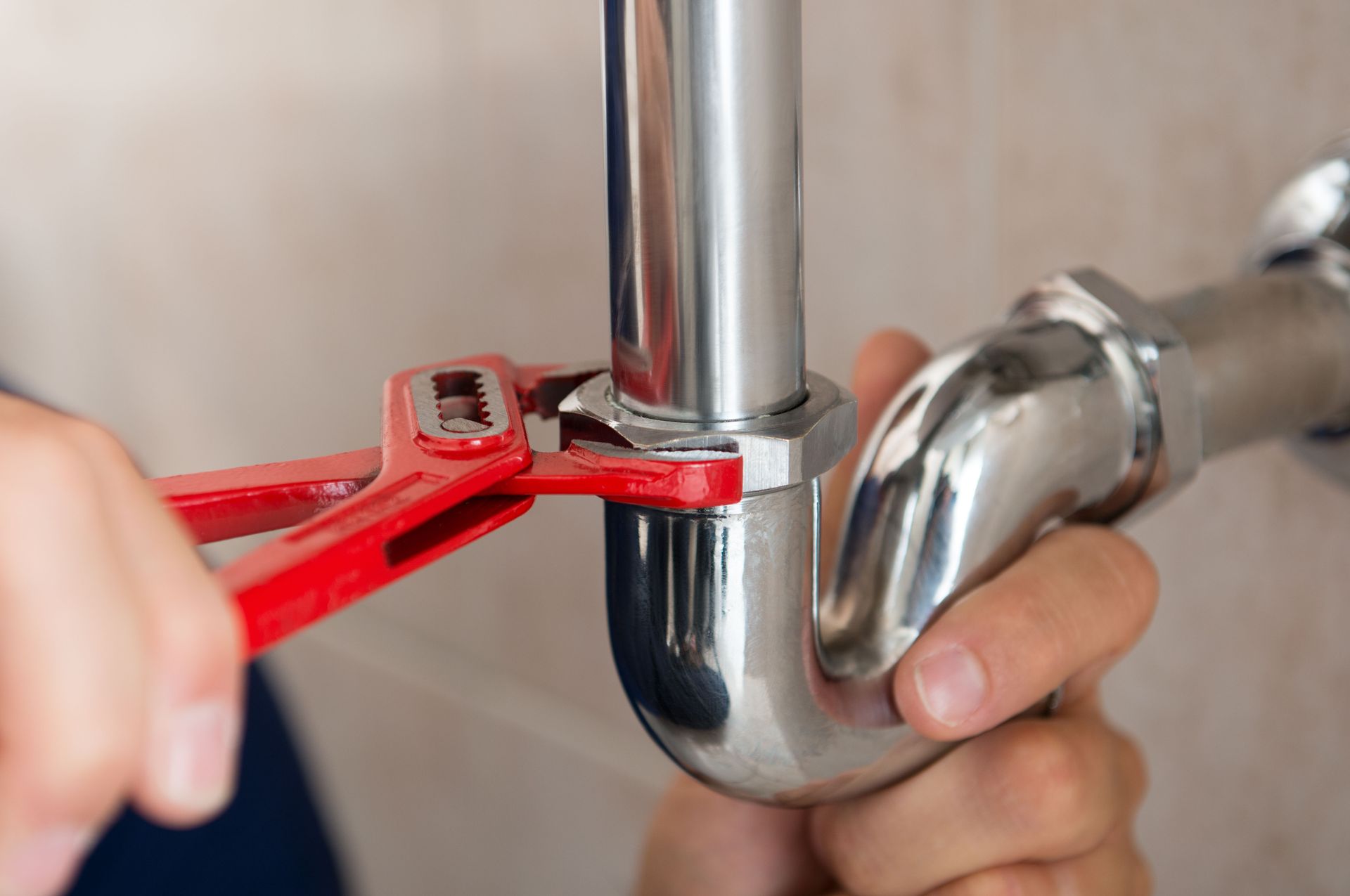
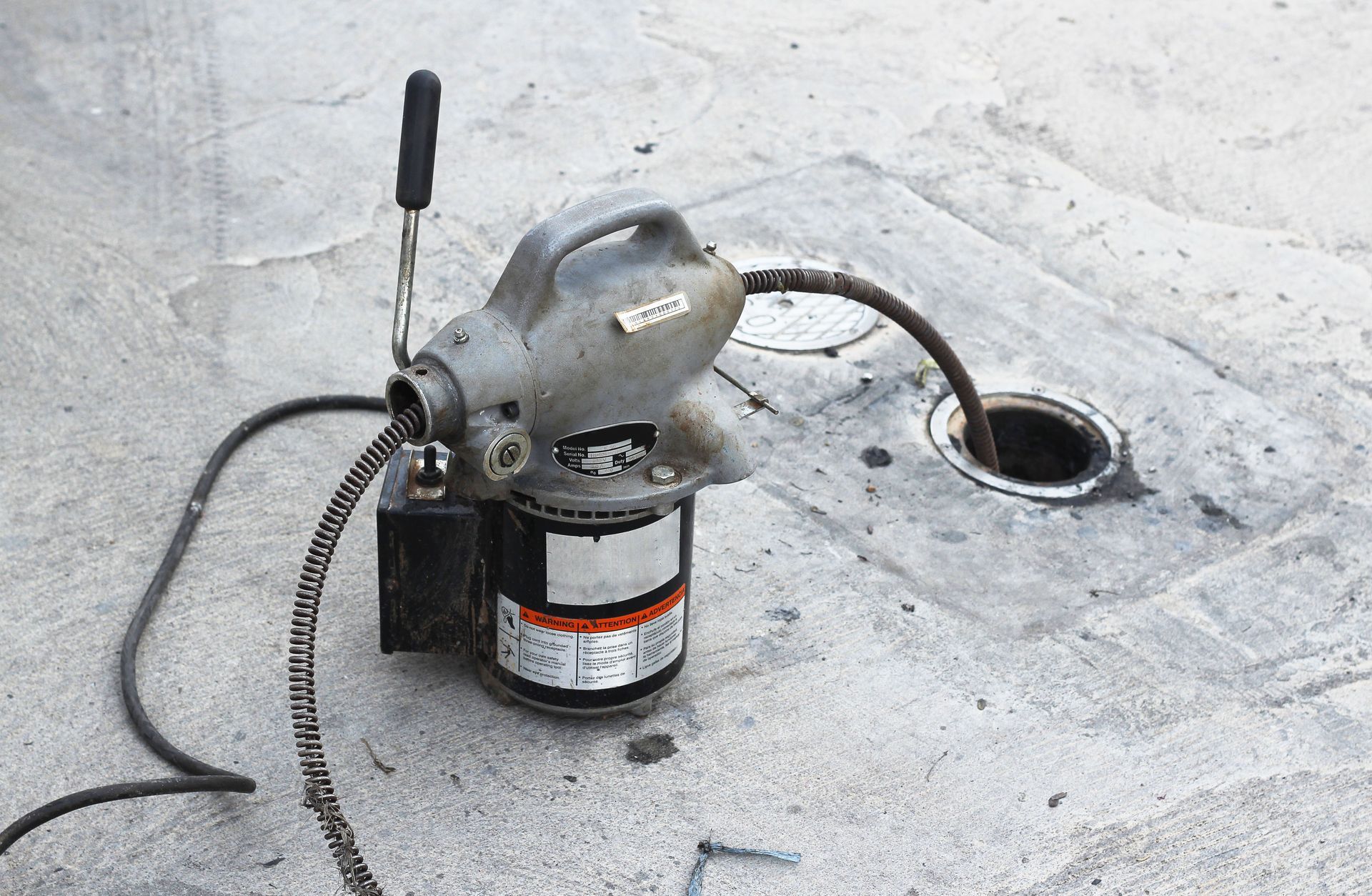
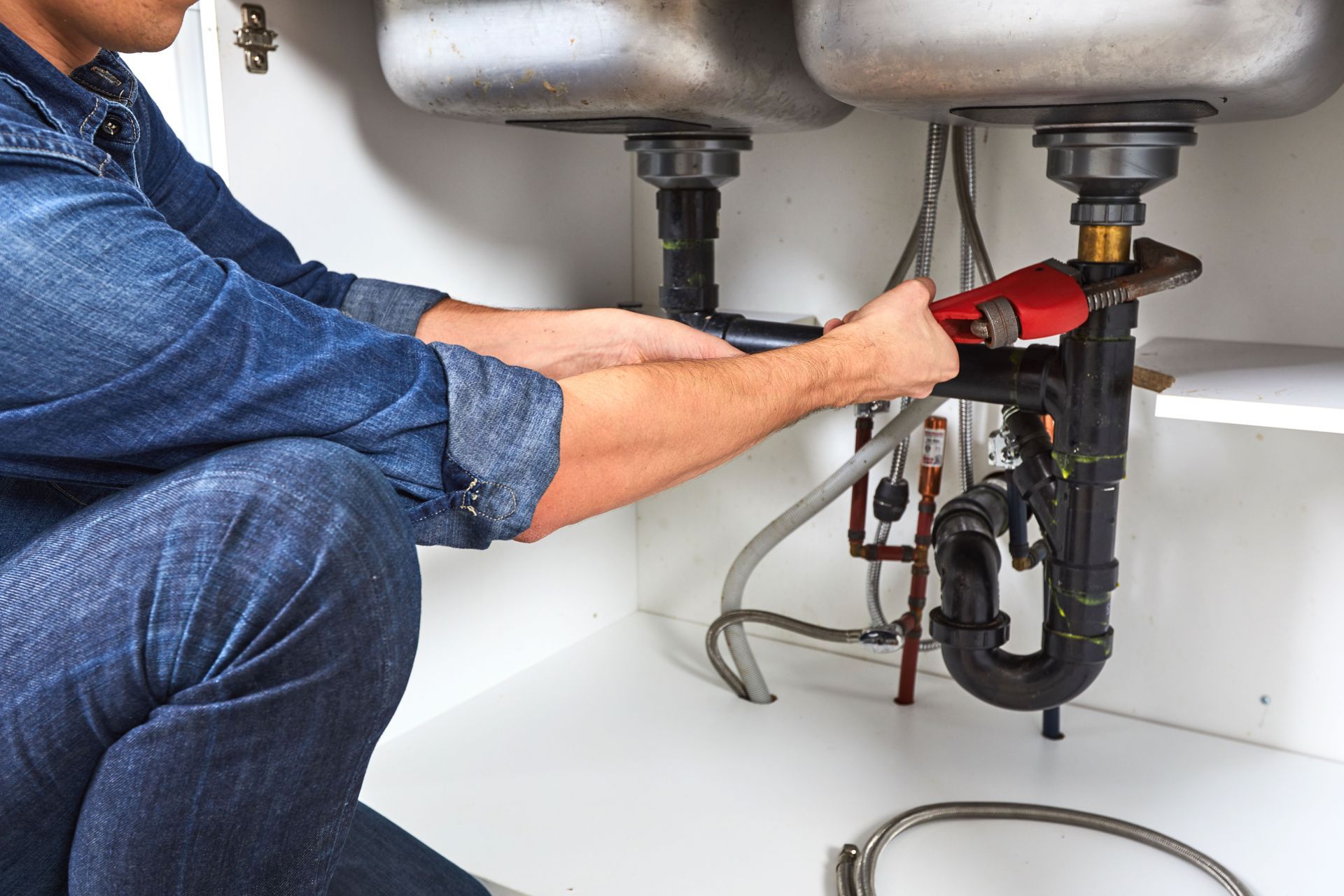
A qualified plumber can determine whether drain cleaning, pipe repair, or another correction is appropriate. Depending on the problem, the technician may use a mechanical auger, camera inspection, or professionally controlled water jetting. These are not interchangeable solutions: a damaged or weakened pipe may need repair before aggressive cleaning is considered. Asking what caused the blockage can help prevent it from returning.
Comparing Maintenance Needs Across Properties
A newer home with properly installed plumbing and no recurring issues may need little more than sensible daily habits and occasional checks. An older house with a history of slow drains could benefit from an inspection to identify corrosion, poor alignment, or compromised piping. Properties with mature trees near buried sewer lines may face different risks than homes without nearby roots.
Commercial kitchens and other high-use properties may require more frequent attention because they generate greater amounts of wastewater, grease, and debris. Instead of copying someone else's schedule, homeowners and property managers should base service decisions on usage, pipe condition, warning signs, and documented problems.
Planning for Reliable Drainage Year-Round
Keep a simple maintenance record that lists recurring problems, affected fixtures, and any repairs or service visits. Check strainers and accessible drain openings routinely, and respond when performance changes.
Preventive cleaning is most valuable when there is a clear reason for it, such as an established pattern of buildup or a professional recommendation after an inspection. Cleaning alone cannot correct broken pipes, root-damaged joints, or an improperly designed drainage system. Treating the underlying cause is what makes maintenance effective over time and can help avoid repeated disruption.
Keeping Home Drainage Reliable
A dependable plumbing system does not require an identical cleaning calendar for every household. Regular observation, thoughtful disposal habits, and timely attention to warning signs provide a stronger foundation than waiting for a severe backup. When drain cleaning is necessary, the method and frequency should match the condition of the pipes and the source of the problem.
Homeowners experiencing slow drains, recurring clogs, or unexpected backups can turn to RooterMan for professional drain cleaning assistance. Addressing drainage problems early and following a practical maintenance routine can help maintain reliable plumbing, reduce disruptions, and protect the home from preventable water damage.