May 21, 2026
Maintaining a functional residential plumbing system requires more than just a passing interest in home maintenance. It involves a deep understanding of how various components interact and the specific vulnerabilities that can lead to catastrophic failure. For many years, the primary response to a slow sink or a sluggish toilet has been a quick trip to the local hardware store to purchase a chemical solution. These products are marketed as a universal fix for every conceivable obstruction, promising to melt away problems with minimal effort from the homeowner. However, the reality of modern plumbing is far more complex than a simple chemical reaction can address. Most liquid drain cleaners found on store shelves are composed of caustic or acidic elements designed to create heat and break down organic matter like hair or soap scum. While this might provide a temporary relief for a very minor bathroom clog, it is a superficial remedy that ignores the structural, mechanical, and biological realities of the pipes hidden behind the walls and beneath the foundation.
1. Identifying Structural Damage And Pipe Misalignments
One of the most significant issues that no chemical product can fix is a physical change in the structure of the plumbing itself. Over time, the soil around a home can shift due to changes in moisture levels, seismic activity, or simple settling. This movement can cause underground pipes to sink, tilt, or pull apart at the joints. When a pipe becomes misaligned, it creates a physical lip or a gap where waste can accumulate. No amount of liquid drain cleaners can move a pipe back into its proper position or smooth out a jagged connection.
Furthermore, structural damage can include cracks or collapses that result from external pressure or the natural degradation of older materials like cast iron or clay. When a pipe has a hole or has completely collapsed, the resulting blockage is not made of hair or grease but of dirt, rocks, and shards of the pipe itself. In these instances, homeowners may spend significant sums on products that are ineffective against such organic blockages. According to Modernize, basic drain cleaning for minor clogs costs between $100 and $150, and that expenditure becomes wasteful when roots are the real problem. While the quote specifically mentions roots, the financial principle applies to structural failures as well.
2. Managing Invasive Tree Root Intrusions
Trees are naturally drawn to the warmth and moisture radiating from underground sewer lines. Even the smallest hairline crack in a pipe joint can release enough moisture to attract a nearby root system. Once a single root tip finds its way inside, it can grow rapidly, expanding into a thick mass that acts like a net, catching every bit of debris that passes through the line. This creates a solid, living obstruction that is incredibly resilient. Most retail drain cleaners are designed to sit in a trap or a short section of pipe to dissolve soft clogs. They are not formulated to kill or remove a massive, woody root system that has anchored itself within the main sewer line.
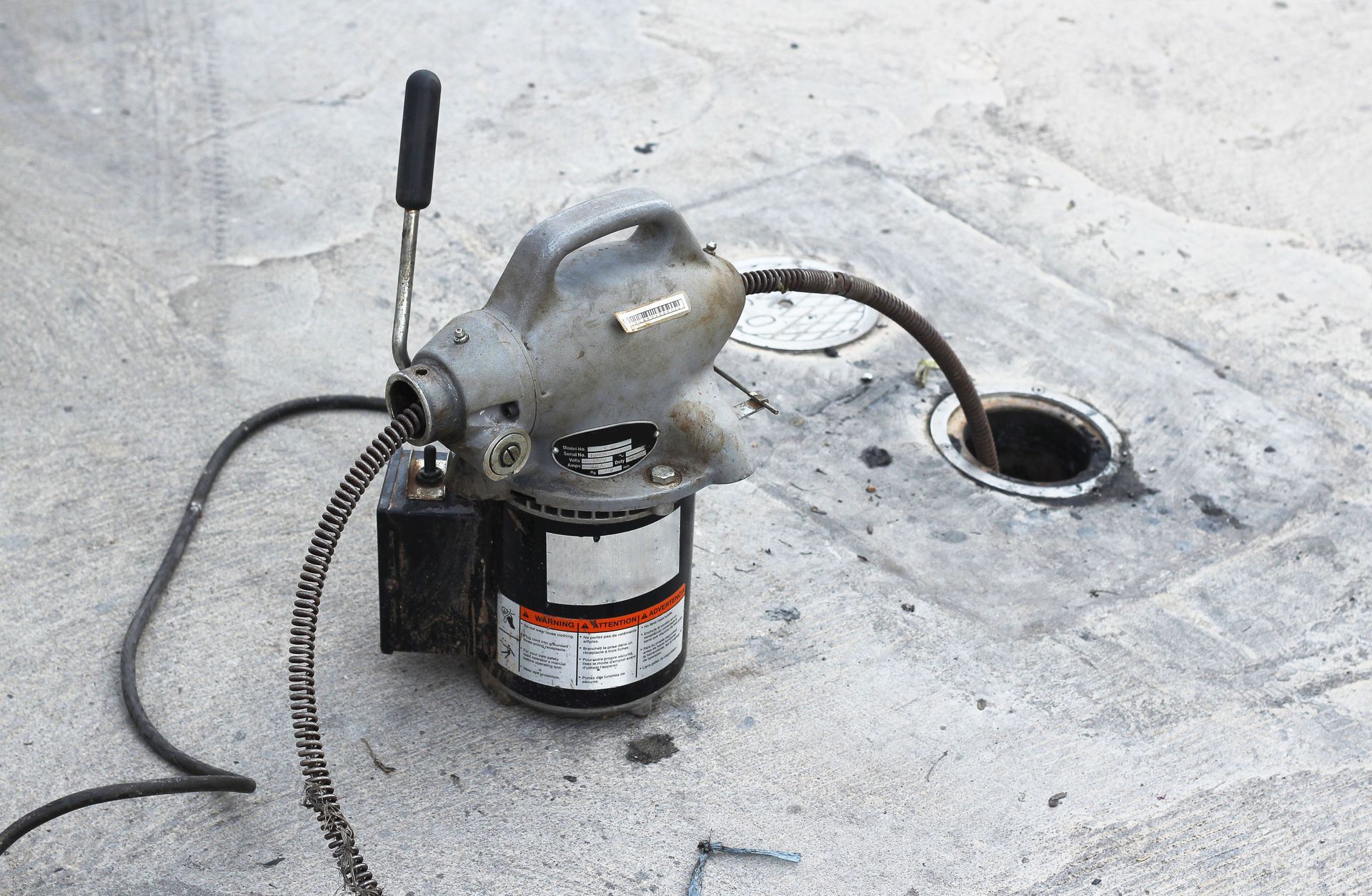
Even if a chemical product were strong enough to kill the portion of the root inside the pipe, it would not remove the physical mass of the root itself. The dead wood would remain, continuing to catch waste and cause backups until it is mechanically removed. Furthermore, killing a root with harsh chemicals can sometimes cause the surrounding tree to die or become unstable, creating a new set of hazards for the property. Professionals address this by using mechanical augers with specialized cutting heads or high pressure water jets that can strip the roots away from the interior walls of the pipe without damaging the surrounding landscape or the pipe material
3. Dissolving Heavy Grease And Fat Accumulations
Kitchen drains are particularly susceptible to a phenomenon known as fatbergs. These occur when fats, oils, and grease are poured down the sink in liquid form and then cool and solidify as they travel through the plumbing. Over months or years, these substances coat the interior of the pipes in thick, waxy layers. Unlike a hair clog, which might have a single point of failure, grease accumulations can extend for many feet along the length of a horizontal pipe. When a homeowner uses common store-bought products on a grease clog, the chemical often just creates a small hole through the center of the grease or, worse, reacts with the fats to create a soap-like solid that is even harder to remove.
The heat generated by some caustic cleaners can melt the grease temporarily, but as soon as the chemical is flushed away and the pipe cools, the grease solidifies again, often further down the line where it is even harder to reach. This creates a recurring problem that seems to disappear for a day only to return with greater severity. Professional plumbers often use specialized equipment to scrub the interior of the pipes or use biological treatments that introduce living organisms to consume the grease over time.
4. Extracting Solid Foreign Objects From Lines
In many households, clogs are not caused by the accumulation of waste but by the accidental introduction of solid objects. This is especially common in homes with small children who might view a toilet as a convenient place to dispose of toys, or in situations where non-flushable items like feminine hygiene products, heavy paper towels, or wet wipes are introduced to the system. These objects are designed to be durable and absorbent, which makes them the perfect candidates for creating a total blockage.
When a solid object is stuck in a trap or a bend in the pipe, adding liquid cleaners can actually make the situation more dangerous. The chemicals can become trapped behind the object, creating a pool of caustic liquid that a plumber will then have to deal with when they arrive to manually remove the item. This increases the risk of chemical burns to the technician and can lead to splashes that damage the finish of the fixtures or the flooring. Mechanical retrieval using a drain snake or a camera-guided grasping tool is the only reliable way to remove a foreign object.
5. Overcoming Mineral Calcification And Scale
In regions with hard water, minerals like calcium and magnesium can precipitate out of the water and attach themselves to the walls of the pipes. This process, known as calcification or scaling, is similar to how plaque builds up in an artery. Over time, the inside of the pipe becomes rough and narrow, which not only slows down water flow but also provides a textured surface where other debris can easily get caught. Standard drain cleaners are almost entirely ineffective against these mineral deposits because the chemicals are not formulated to break down the tough, crystalline structure of calcium carbonate.
Attempting to use aggressive acids to dissolve scale can be extremely risky for the plumbing. While a very strong acid might eventually break down the minerals, it will also attack the metal or plastic of the pipe, leading to pinhole leaks and structural thinning. A professional approach involves a thorough assessment of the water quality and the use of mechanical descaling tools that safely scrape the interior of the pipe. In some cases, a water softening system may be recommended to prevent the minerals from depositing in the first place.
Maintaining a healthy home requires a transition from reactive, temporary fixes to proactive, long term solutions. While the convenience of retail products is tempting, they are often a poor substitute for the diagnostic tools and mechanical power of a licensed professional. Relying on these products for significant issues can lead to wasted money, damaged pipes, and a recurring cycle of plumbing emergencies. Protect your home and your peace of mind by choosing expert care over the unpredictable results of
drain cleaners. Contact RooterMan today to schedule a comprehensive inspection and ensure your plumbing system is operating at its peak performance.