May 6, 2026
Older homes possess a unique charm and architectural character that modern builds often lack. However, beneath the floorboards and behind the plaster walls, the plumbing infrastructure frequently tells a different story. Decades of use and outdated materials create a specific set of hurdles for those maintaining these properties. Addressing these issues requires a deep understanding of how residential systems have evolved over the last century.
When issues arise, drain cleaning contractors must approach the situation with both technical skill and historical perspective. The pipes found in a house built in 1920 differ significantly from those installed in 2020, necessitating specialized tools and cautious methodologies. This article explores the primary complexities involved in restoring flow to the intricate and often fragile drainage networks found within vintage residences.
1. Managing Bellied or Settled Pipe Sections
Over many decades, the ground beneath a home naturally shifts and settles due to soil erosion, moisture changes, and seismic activity. In older properties, this movement often leads to what professionals call a "belly" in the sewer line. A pipe belly is a sagging section where the line no longer maintains a consistent downward slope, causing water and debris to pool in the low spot rather than flowing toward the municipal main.
Because the water sits stagnant in these depressions, sediment and heavy waste particles gradually accumulate at the bottom of the pipe. This buildup reduces the available diameter for wastewater to pass through, eventually leading to a complete backup. Drain cleaning contractors often find that standard snaking is only a temporary fix for this issue, as the physical sag in the line remains even after the immediate blockage is cleared.
Addressing a bellied pipe requires precision to avoid further damaging the surrounding infrastructure. The weight of the standing water and the debris can put immense pressure on old joints, making the section prone to leaking. Professionals must carefully navigate these dips to clear the accumulation without causing a structural failure in the line. This particular challenge highlights why older homes require a more nuanced approach than newer constructions with stable, modern bedding.
2. Clearing Intrusive and Persistent Root Growth
Many older homes are surrounded by mature landscaping and majestic trees that have had decades to extend their root systems. These roots are naturally drawn to the moisture and nutrients found within sewer lines, especially those made of porous materials like clay or concrete. Even the smallest hairline crack in an aging pipe provides an entry point for a tiny root hair to penetrate the system and begin growing.
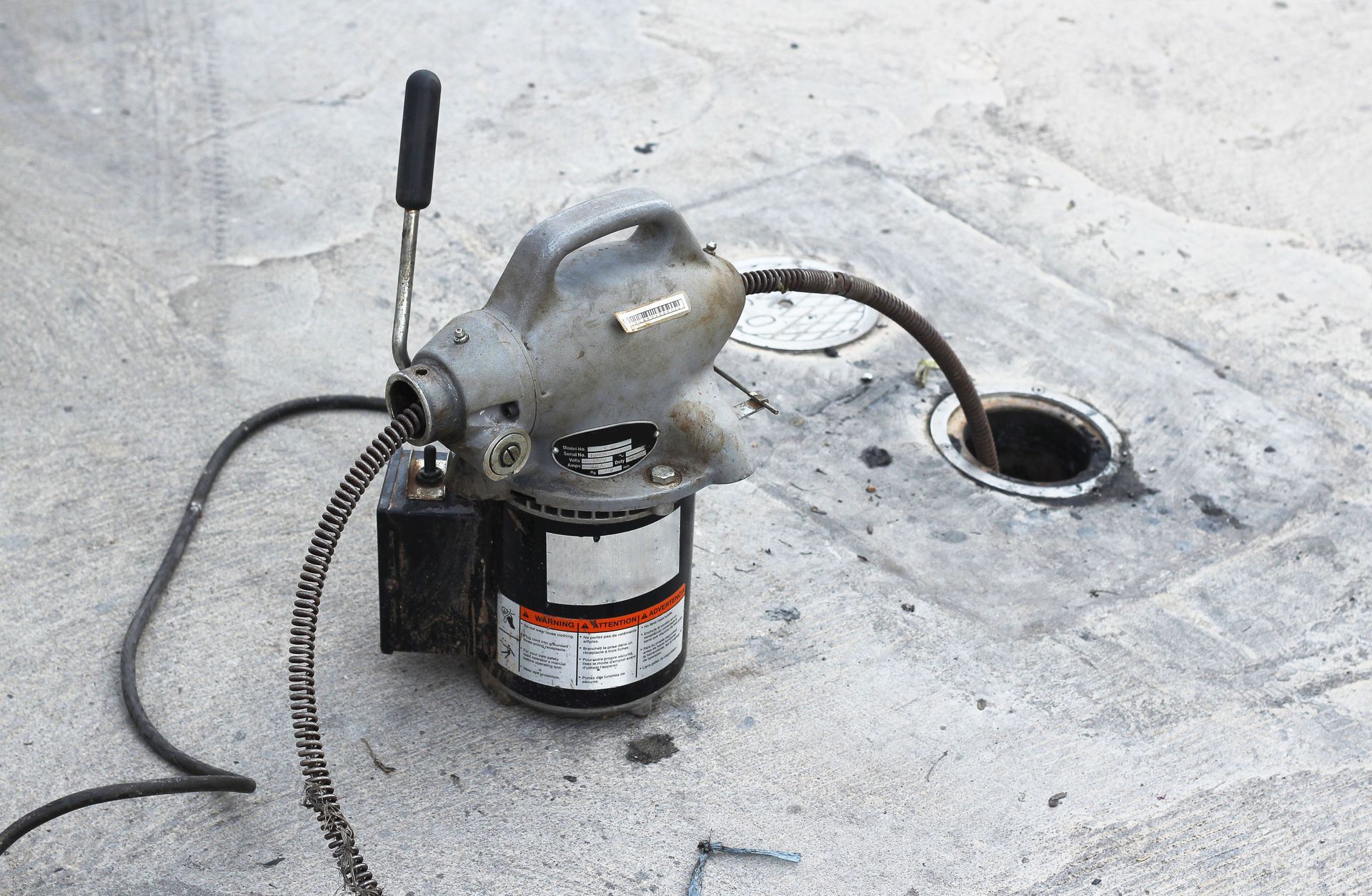
Once inside, the roots flourish in the nutrient-rich environment, eventually forming a thick, mat-like obstruction that catches grease and paper products. This creates a resilient plug that is much harder to remove than a typical domestic clog. Drain cleaning contractors utilize specialized cutting heads to remove these roots, but the porous nature of older pipes means the roots will likely return through the same entry points if the pipe is not structurally addressed.
The presence of roots also signals that the pipe’s integrity is already compromised. Attempting to clear these blockages without professional-grade equipment can lead to the root mass being pushed further down the line or the pipe shattering entirely. Managing root intrusion in vintage plumbing is a delicate balance of removing the organic obstruction while maintaining what is left of the pipe’s brittle exterior walls.
3. Navigating Outdated and Fragile Pipe Materials
Homes constructed in the early to mid-20th century often utilize materials that are now considered obsolete, such as Orangeburg (bituminous fiber), lead, or thin-walled galvanized steel. These materials were the standard of their time but were never intended to last for a century. As these pipes age, they become incredibly brittle and prone to collapsing under the mechanical stress of standard cleaning equipment.
According to the National Association of Home Builders, 41 is the median age of most occupied homes in the country, so drain issues tied to older plumbing infrastructures are more prevalent. This reality is particularly relevant in older homes where the risk of pipe failure during a service call is higher. Drain cleaning contractors must carefully select their equipment, often opting for high-pressure water jets or specific cable tensions that provide enough power to clear the line without pulverizing the deteriorating pipe walls.
Corrosion is another major factor with older metal pipes, as internal rusting creates a rough, sandpaper-like surface. This texture snags hair and lint, leading to frequent recurring clogs that are difficult to fully eradicate. Professionals working on these systems must be cognizant of the thinning metal, as aggressive descaling can sometimes reveal holes that were previously plugged only by the rust and debris themselves.
4. Resolving Architectural Access and Venting Limitations
Modern building codes require specific access points called cleanouts, which allow direct entry into the drainage system for maintenance. Many older homes were built before these requirements existed, or subsequent renovations have covered original access points with drywall, flooring, or landscaping. This lack of access forces drain cleaning contractors to work through difficult entry points like roof vents or by removing heavy cast-iron toilets.
Working from a roof vent presents its own set of dangers and physical limitations. The distance from the roof to the main clog can be significant, making it harder to feel the resistance of the blockage through the cleaning cable. Furthermore, older vents are often smaller in diameter or contain sharp turns that modern equipment was not designed to navigate, increasing the complexity of the task significantly.
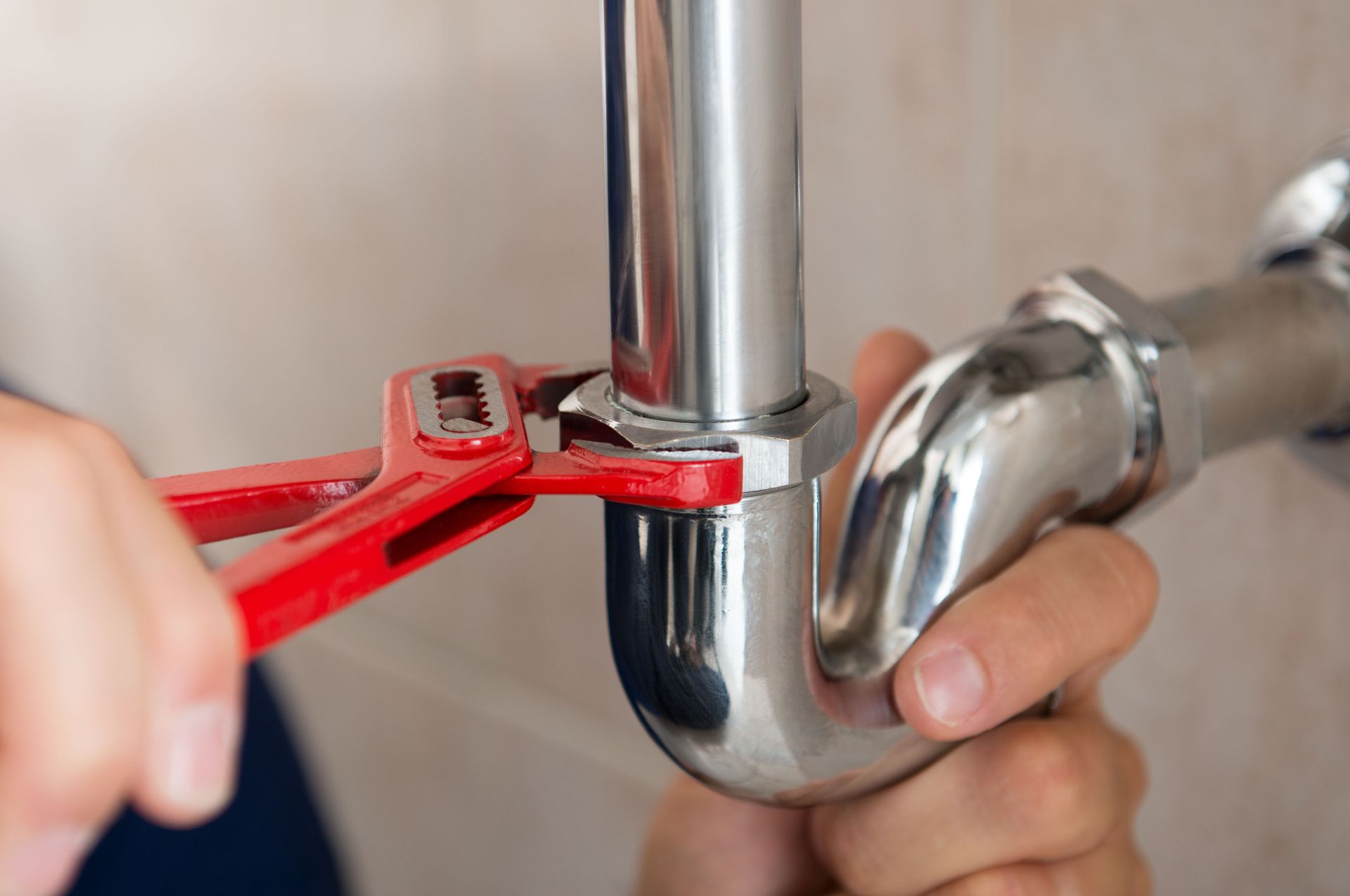
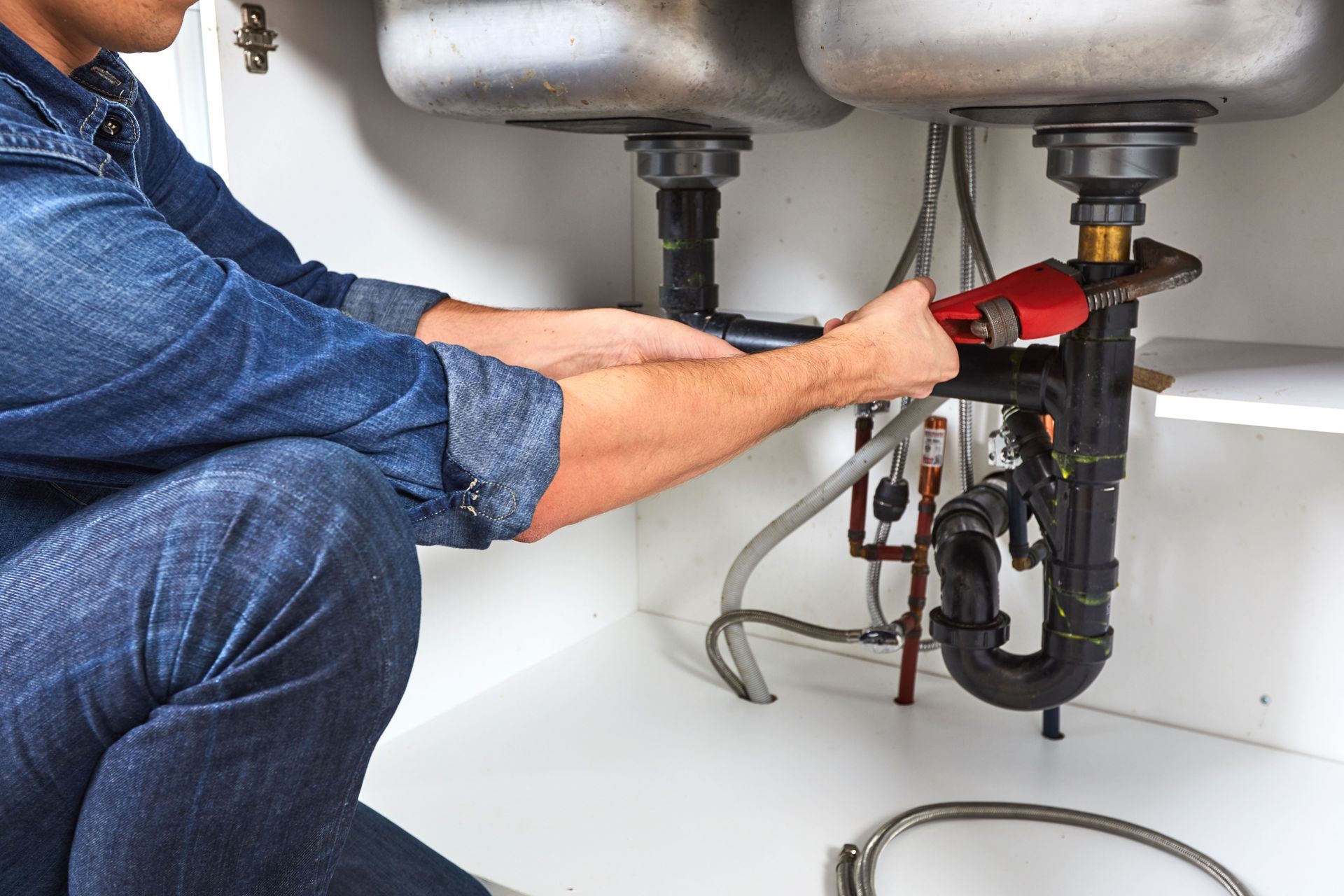
Inside the home, the lack of localized cleanouts means that a simple kitchen clog might require dismantling several sections of old, threaded pipe that hasn't been moved in fifty years. The risk of stripping threads or breaking a decorative fixture is high. Professionals in these environments must be creative and patient, finding the least invasive way to reach the problem area without compromising the historical integrity of the interior finishes.
5. Eliminating Decades of Scale and Grease Buildup
In a home that has seen generations of residents, the cumulative buildup of minerals and organic matter can be staggering. Hard water minerals react with soap to create a rock-hard substance known as scale, which lines the interior of the pipes. Over forty or fifty years, this scale can reduce a four-inch pipe down to a one-inch opening, severely restricting the home’s overall drainage capacity.
Drain cleaning contractors often encounter massive, hardened deposits of cooking grease that have petrified over decades in older kitchen lines. These deposits are resistant to basic plunging and require industrial-strength solutions to break down. Because the pipes are old, the grease often binds with the corroded surface of the metal, making it much harder to "scrub" the pipe clean compared to the smooth surface of modern materials.
The sheer volume of material that needs to be removed from an old system can sometimes overwhelm the downstream drainage. Professionals must manage the flow of loosened debris to ensure that clearing one blockage does not inadvertently create a much larger one further down the line. This long-term accumulation represents one of the most persistent challenges in maintaining the functional life of a vintage plumbing system.
While the challenges are numerous, a professional approach guarantees that the unique needs of older systems are respected and addressed. Drain cleaning contractors serve as integral partners in keeping these beautiful properties functional for the next generation of homeowners. By understanding the specific vulnerabilities of vintage pipes, it is possible to maintain a modern standard of convenience within a classic setting. Proper care today prevents the gradual decay of the essential infrastructure that keeps an old house a comfortable home. Contact RooterMan for expert plumbing services to address the unique drainage needs of your older home.